
Meta will pay states up to $17 billion in landmark youth addiction settlement — and teens get a two-hour daily limit on Instagram and Facebook
The largest consumer-protection settlement since Big Tobacco ends the states' trial in its second week, before Mark Zuckerberg could take the stand. Meta will take a $10 billion charge, submit to an independent auditor, and rebuild its apps for minors — with billions more on the table only if YouTube and TikTok match the deal.
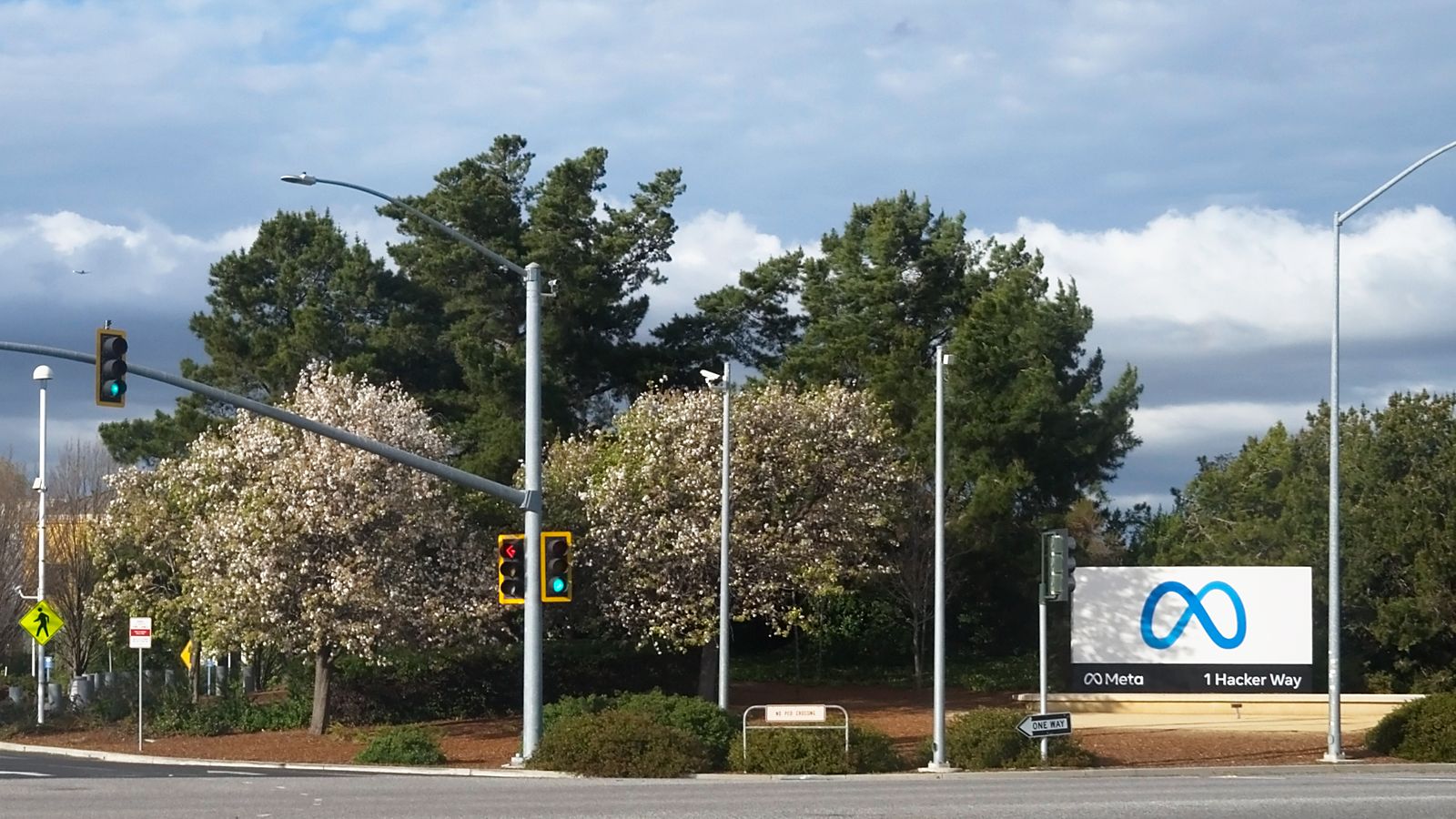
The trial that was supposed to be social media's Big Tobacco moment ended the way Big Tobacco's did: not with a verdict, but with a number so large it reads like a typo. Meta agreed on Wednesday to pay state attorneys general up to $17.1 billion to settle claims that it deliberately engineered Instagram and Facebook to addict children — the largest consumer-protection settlement in American history outside the tobacco accords of the 1990s, and the clearest admission yet, in everything but the legal language, that the design of social media has a body count measured in adolescent mental health.
The deal, revealed in a court filing in the second week of trial in Oakland, cuts the proceedings short before their main event: Mark Zuckerberg had been expected to take the stand. Instagram head Adam Mosseri testified on Tuesday; by Wednesday morning, the case was over. Meta, as settling companies do, denies the allegations and any liability, and both sides waived their rights to appeal the judgment once U.S. District Judge Yvonne Gonzalez Rogers approves it.
How $17 billion is actually counted
The headline number takes some unpacking, because every party is counting differently. The settlement resolves claims from a bipartisan coalition of 51 attorneys general — 47 states plus the District of Columbia, Puerto Rico, American Samoa and the Northern Mariana Islands — and comprises roughly $16.7 billion for the youth-addiction claims plus more than $459 million settling separate data-privacy claims dating to the Cambridge Analytica era. Meta itself describes a payment of "approximately $18 billion," a figure that folds in its separate settlement with Texas, which was never part of the multistate group. The guaranteed minimum is $12.1 billion, paid in annual installments over ten years.
The gap between the floor and the ceiling is the settlement's most inventive — and strangest — feature. About 70 per cent of the money, some $12.7 billion, is unconditional. The remaining 30 per cent, roughly $5.3 billion, is payable only if YouTube and TikTok adopt comparable youth-safety changes and pay matching amounts of their own — half of the contingent money tied to each. The states have, in effect, hired Meta as a lobbyist for regulating its own competitors: every dollar Meta avoids paying is a dollar YouTube and TikTok were persuaded to match.
The state-by-state shares are transformative on their own. California expects between $1.5 billion and $2.1 billion, earmarked for youth mental health programs. New Jersey gets at least $525 million and potentially more than $752 million. Virginia announced $353 million. Meta, for its part, told investors it will book a legal charge of approximately $10 billion in the third quarter — an expense that was in nobody's guidance.
The tobacco precedent hangs over the disbursement question too. The 1998 master settlement paid states more than $206 billion across its first quarter-century, and much of it famously vanished into general budgets rather than smoking cessation. Some states are already fencing their Meta money — California's share is legislatively earmarked for youth mental health — but whether $17 billion actually reaches school counsellors and adolescent psychiatry, or paves roads, will be decided in fifty statehouses over the next decade.
What actually changes on the apps
The money made the headlines, but the conduct terms rewrite what Instagram and Facebook are for anyone under 18. Teen accounts get a default combined daily limit of two hours across both apps, with prompts at the 15-, 60- and 90-minute marks. The apps go dark for minors between midnight and 6 a.m., with only a parent able to override. Notifications are silenced overnight and during school hours on weekdays through the school year. Visible like counts disappear for teen users. Cosmetic-surgery and beauty filters are banned for minors outright. Every teen gets access to a non-personalized, non-algorithmic feed.
And there is a ratchet built in: if YouTube and TikTok comply, Meta's own screen-time limit tightens from two hours to one, and the night-time blackout expands to 10 p.m. through 7 a.m. The strictest version of Instagram for teenagers, in other words, only exists in a world where its rivals are equally restricted — the same interlocking logic as the contingent payments.
Enforcement is not left to Meta's word. The company agreed to enhanced age-assurance systems to detect underage users and remove under-13 accounts, a teen reporting channel where 90 per cent of reports must be answered within six hours, an independent auditor with what California describes as expansive access and a direct line to the attorneys general, and an injunction prohibiting Meta from making false or misleading statements about its safety features — a term that exists because the states alleged exactly that for years. California Attorney General Rob Bonta says the changes arrive "within months"; the oversight program runs for up to a decade.
For years, Meta intentionally deceived the public about the addictive and harmful design features that have wreaked havoc on youth mental health. — Jay Jones, Attorney General of Virginia
The trial that forced the number
The road here began in October 2023, when more than 40 states sued Meta, alleging the company knowingly deployed addictive design — infinite scroll, autoplay, algorithmic feeds, quantified approval — against children, while collecting data on under-13 users in violation of federal law. The states' theoretical damages ran as high as $1.4 trillion, trimmed to roughly $200 billion by the time trial opened on August 18. Against that exposure, $17 billion is a discount; against any other benchmark, it is staggering — two-thirds the size of the $26 billion national opioid distributors' settlement, for a single company.
Meta's recent courtroom record explains why it paid. In March, a New Mexico jury ordered the company to pay $375 million in a separate child-safety case; earlier this month, a New Mexico judge added a $567 million abatement fund. And the states' trial had already produced damaging testimony. Former Meta engineering director turned whistleblower Arturo Béjar told the Oakland jury the quiet part in one sentence: "If you step away from the product, they are not going to make any money."
The settlement's final days had their own drama. Mosseri spent Tuesday on the stand, pressed on whether Instagram's safety information flowed honestly up the chain — he denied directing employees to withhold child-safety findings from him. Zuckerberg's testimony, the moment the entire trial had been built toward, was days away. Whatever the sum bought Meta, it visibly bought this: the chief executive of the company never had to answer those questions under oath, in front of a jury, on the record.
"Today, we have secured a settlement with Meta that will make social media less dangerous for our kids and make a world of a difference for children and their families," Bonta said. Meta's statement stayed characteristically level: "Ensuring teens have a safe and productive experience on our platforms is an absolute imperative for Meta." Chief legal officer C.J. Mahoney said the deal "will empower parents to easily manage how their children access" the apps.
What Wall Street heard
The market's reaction was a study in relief pricing. Meta shares jumped more than 4 per cent in premarket trading on news the trial was over, then gave nearly all of it back as the $10 billion charge registered, finishing early trading roughly flat around $573. For a company generating more than $60 billion in revenue a quarter, a ten-year payment schedule for even the full $17 billion is manageable plumbing; what the settlement removed was the tail risk of a jury verdict with a trillion-dollar theory behind it. The number that matters longer term is unknowable from a filing: what a two-hour cap and a de-quantified, chronological Instagram does to teen engagement — and to the advertising inventory built on it.
What is conspicuously not settled
This deal buys peace with the states, not with everyone. The sprawling multidistrict litigation consolidating personal-injury claims from thousands of families and hundreds of school districts — against Meta, but also TikTok, Snap and YouTube — continues untouched. "We stand ready to continue that fight," the plaintiffs' lawyers said Wednesday. "We will not rest until every one of these plaintiffs sees justice." And the settlement's own architecture guarantees the story moves next to Meta's rivals: there is now a $5.3 billion bounty, funded by Meta, on YouTube and TikTok agreeing to the same rules.
The tobacco master settlement of 1998 did not end smoking; it ended the argument about what cigarettes were. Wednesday's settlement does something similar. Whatever the consent judgment says about denied liability, Meta has agreed to pay up to $17 billion and rebuild its products around the premise that unlimited, algorithmic, like-counted social media is not safe for children. That premise is now the regulatory baseline for an entire industry — priced, audited and signed.
Sources: proposed consent judgment as reported by CNBC and Reuters; offices of the attorneys general of California, New Jersey, Georgia and Virginia; the Associated Press; NPR; Meta statements. Figures as reported August 26, 2026; the agreement remains subject to court approval.