
US oil tops $100 a barrel and Brent hits a five-month high above $114 as Iran threatens Gulf oil fields and data centres and traders price in renewed US strikes after the midterms
West Texas Intermediate traded at $101.04 on Friday and Brent at $114.49, up from about $72 before the war began in February. Iran claims seven ships hit in and around the Strait of Hormuz, Aramco has reportedly sent Dhahran staff home, and the gap between the two benchmarks shows where the risk actually sits.
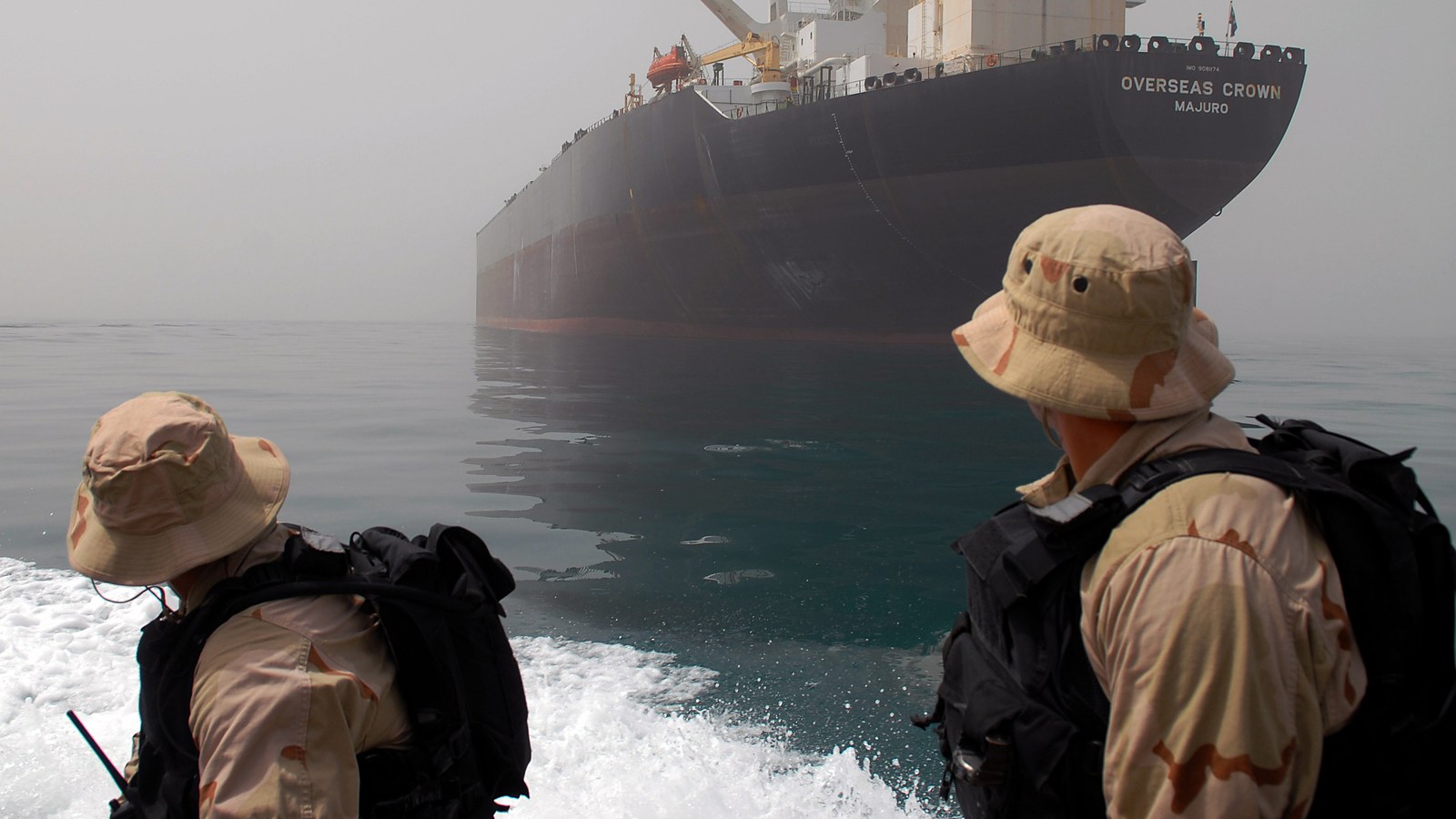
The headline number on Friday was American oil above $100 a barrel. The more revealing number was the gap beneath it. By 6:51 a.m. Eastern time, front-month West Texas Intermediate futures were up 1.6 per cent at $101.04, according to CNBC, while Brent, the international benchmark, was up 1.1 per cent at $114.49. Brent was on track for a third consecutive weekly gain and its highest level since early May. WTI, despite crossing $100, was on course for a weekly decline. Both are oil. They are telling different stories about where the danger is.
Brent prices the crude that moves by sea, including the cargoes that must pass through the Strait of Hormuz. WTI prices oil delivered inside the United States. When the risk is concentrated in Gulf shipping lanes, the seaborne benchmark carries the war premium and the landlocked one trails. A spread of more than $13 a barrel between the two is a rough gauge of how much of today's price is about one waterway.
Eight months from $72
Brent settled at $72.48 a barrel on February 27, the day before the United States and Israel launched strikes on Iran, according to Al Jazeera. It reached $126.41 on April 30, its highest in four years, before easing. It is now back above $114. The Guardian reported an intraday high of $114.72 on Friday, and Fortune's 7:15 a.m. reading put Brent at $116.03, about $50 higher than a year earlier.
"Widespread reports that the US is considering renewed military strikes on Iran after the midterm elections rather than pursuing a diplomatic route was enough for the price to pop, after what many had considered would be a brief conflict is now in its eighth month," said Richard Hunter of the broker Interactive Investor.
That is the key to this week's move. The war never ended, but it had settled into a grinding pattern of Iranian attacks on shipping, a US naval blockade of Iranian ports and Houthi strikes on Saudi Arabia. What traders are now pricing is the possibility that the pattern breaks after November 3, with US and Israeli strikes on Iran's energy infrastructure and Iranian retaliation against the Gulf's.
Ships, mines and an evacuated headquarters
Iran's Islamic Revolutionary Guard Corps said on Thursday that four vessels had been struck and caught fire in the Persian Gulf and that three more had hit mines in the Strait of Hormuz, according to the state-affiliated Tasnim news agency. President Donald Trump disputed the claims on Truth Social, accusing Iran of "making up fake hits, mines, and everything else" to drive up prices before the US midterm election, and saying more oil was passing through Hormuz than before the conflict began. Neither side's account has been independently verified.
Tehran has also widened its stated target list. It said it would strike oil facilities, undersea cables, data centres and AI facilities in the Gulf if a new US-Israeli attack were launched, the Guardian reported. Iran's army chief said the military was fully prepared for "asymmetric warfare".
In Saudi Arabia, Aramco reportedly told staff to evacuate its Dhahran headquarters and work remotely after a series of attacks by Iran-backed Houthi rebels, Reuters reported. The Houthis have struck Saudi airports and some Aramco offices in recent weeks, causing multiple deaths. The US State Department has ordered some diplomats and the families of government employees to leave the kingdom.
"For ships attempting to cross the strait of Hormuz, it's still a dangerous journey, with projectiles still being fired." — Susannah Streeter, chief investment strategist, Wealth Club
Why this is a supply problem beyond crude
The Strait of Hormuz carried about one-fifth of global oil and liquefied natural gas supplies before the war, according to Al Jazeera. Iran can fire on ships from positions along its coast and lay sea mines using rockets, and the IRGC has increasingly relied on small fast boats since US strikes badly damaged its navy. Gulf producers have restored some exports through alternative ports, pipelines and ship-to-ship transfers, but at higher cost and with continued exposure to attack.
The tightness extends past crude. Damage to Middle East fuel production and sanctions on Russian supplies have squeezed diesel markets, and Streeter said Ukraine's strikes on Russian diesel refineries were adding to the strain. Diesel prices in the United States have doubled, according to Al Jazeera. The International Energy Agency warned this month that supply constraints could last well into 2027.
A second chokepoint is also in play. Renewed fighting in Yemen has drawn attention to the Bab al-Mandeb strait linking the Red Sea to the Gulf of Aden. Houthi threats against Saudi-linked shipping there could undermine the very routes Gulf exporters have been using to bypass Hormuz.
Washington's options and their limits
The White House has been working the supply side. On Thursday, Trump signed a determination under the Cold War-era Defense Production Act declaring domestic petroleum production, refining and logistics essential to national defense, Reuters reported. The Energy Department said it would make up to $150 million in Defense Production Act funding available to expand domestic production, storage and refinery logistics. The order did not name specific projects.
Those measures affect the American benchmark more than the global one, which helps explain the spread. Domestic production and refining capacity can ease WTI and US pump prices. They cannot reopen a waterway on the other side of the world. The national average for regular gasoline fell 6 cents in the past week to $4.27 a gallon, AAA said on Thursday, attributing the decline to the seasonal switch to cheaper winter-blend fuel rather than to crude, which remains near $100.
The war's cost is also political. Trump's approval rating has fallen to 31 per cent in a Reuters/Ipsos poll released on Monday, from 40 per cent days before the war began, the lowest the pollster has recorded across either of his terms, amid frustration over fuel prices and the war's unpopularity, Al Jazeera reported. The Congressional Budget Office estimated in September that the conflict had cost the Department of Defense $38 billion as of August 1.
Militarily, the US is reinforcing. Fox News reported that the USS Theodore Roosevelt carrier and the 13th Marine Expeditionary Unit were expected to reach the region by the end of November, bringing about 10,000 personnel. Analysts quoted by Al Jazeera consider a US attack before the November 3 election unlikely, which is precisely why the market's attention has shifted to the weeks immediately after it.
Iran's own incentives point the same way. Official figures showed its gross domestic product contracted by 10.1 per cent year on year between March 21 and June 20, and its government estimated in April that US-Israeli attacks had caused $270 billion in direct and indirect damage. Since late August, Washington's Operation Economic Outcast has penalised anyone doing business with Iran, on top of the naval blockade that has curtailed its energy exports. A country whose own oil revenue has been squeezed this hard has little to lose, and some leverage to gain, from keeping everyone else's oil expensive.
The case that the premium fades
There is an argument that $114 overstates the risk. The president says more oil is moving through Hormuz now than before the war, and Gulf producers have built workarounds. Brent remains well below its April peak. A diplomatic turn after the election, or simply the absence of new strikes, could deflate a premium that rests largely on expectation. WTI's weekly decline suggests some traders already see the American supply picture as manageable.
The counter-argument is that the premium is not irrational. Iran has demonstrated, over eight months, that cheap drones, mines and speedboats can impose costs on shipping that a larger navy cannot fully prevent. It has now publicly named the Gulf's data centres and undersea cables, as well as its oil, as targets. Every one of those threats bears on the waterway that Brent prices.
The durable point from Friday is in the spread, not the headline. Oil above $100 in the United States is a political problem for an administration two weeks from a midterm vote. Brent above $114 is the world's price for the risk that the war, now in its eighth month, enters a wider phase after that vote. The first can be eased from Washington. The second cannot.
This analysis is based on market data and reporting from CNBC, the Guardian and Fortune published October 23, 2026; reporting by Al Jazeera on the course of the war; Reuters reporting on Saudi Aramco and the Defense Production Act determination; and AAA's weekly gasoline price report. Oil prices quoted are front-month futures at the times stated and move continuously. Iranian claims of attacks on shipping and US claims about Hormuz traffic had not been independently verified at the time of writing. This article is not investment advice.