
Bitcoin cleared $75,000 and Coinbase rallied 11% in two days — a repricing that rests almost entirely on a Senate vote set for September 15
Crypto's best week in more than three years started with a White House meeting and a Treasury announcement, not a product or a protocol. Bitcoin is still 40% below its record; what changed is the odds Washington assigns to the CLARITY Act. If the cloture vote fails next month, the rally loses its reason.
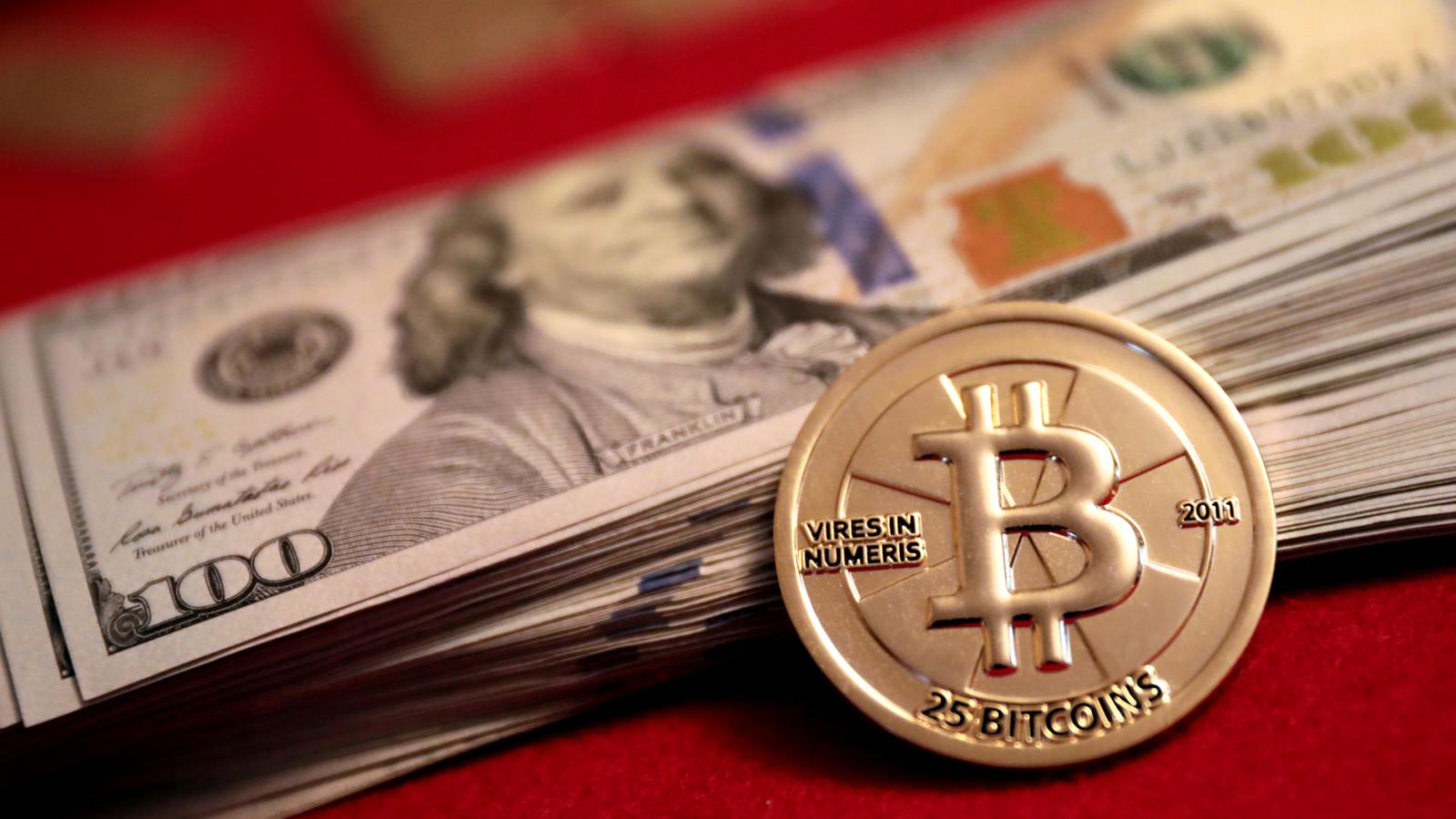
Bitcoin began the week around $63,000, mired in the same grinding bear market that has defined its 2026. By Thursday it had broken $70,000 for the first time since June, settling at $71,505, per Reuters. Early Friday it touched $75,268 and kept going — around $78,500 by late London morning, up more than 8% on the day and roughly 25% on the week, on track for its biggest weekly advance since March 2023, according to Bloomberg. Ether followed to a three-month high. XRP jumped 19%. And the equities that lever the trade moved hardest: Coinbase rose 6% Thursday and another 5% Friday, Strategy ran 22% in two sessions, and miners like MARA and Canaan surged.
What did not happen this week: a halving, an ETF launch, a protocol upgrade, or any change in what a bitcoin actually does. The entire repricing traces to two announcements made within hours of each other on Wednesday — which is both the rally's power and its fragility.
The context makes the violence of the move legible. Bitcoin entered 2026 above $93,000 and spent six months grinding lower — ETF outflows measured in billions, a hawkish Federal Reserve, war premiums pulling capital toward oil and gold, and a June collapse to a 21-month low near $58,600 that ranked among the asset's worst months on record. Positioning got as one-sided as it has been since the FTX winter. Markets that lopsided do not need good news to move; they need any news.
A meeting and a buyback
The first came from the White House, where President Trump hosted crypto executives and pressed the Senate to pass a "fair version" of the CLARITY Act, the stalled market-structure bill. "We need Congress to take the next step by passing the CLARITY Act," he said, calling it "very, very powerful structured legislation." The second came from the Treasury, where Secretary Scott Bessent said the department would at least double its long-dated bond buybacks — a move that pulled 19-year-high long yields down and re-opened risk appetite across every speculative asset at once. "The real driver was the US Treasury doubling long-dated bond buybacks, which pulled long yields lower and lifted risk appetite broadly," BTC Markets analyst Rachael Lucas told Bloomberg.
Mechanics did the rest. More than $2 billion in bearish bitcoin futures positions have been liquidated since Wednesday, per Bloomberg, with $1.25 billion of crypto shorts wiped in a single 24-hour stretch into Friday. FxPro's Alex Kuptsikevich described a rally "fueled by a wave of short-covering, following weeks of extremely narrow trading" — over half of Wednesday's initial 7% move landed in a single hour. Spot bitcoin ETFs, which bled billions through the winter, took in $517 million on Wednesday alone, their biggest day since May, and more than $1 billion for the week.
BlackRock's IBIT, the largest of the spot funds, has now absorbed close to $61 billion since launch — a reminder that the infrastructure built in the 2024-25 bull market did not go anywhere during the drawdown. The pipes are laid; what this week tested is whether anyone still wanted to send anything through them.
The bill the market is actually trading
The CLARITY Act is the one piece of this that would outlast a news cycle. The bill — passed by the House 294-134 back in July 2025, with more than seventy Democrats — would finally define which digital assets are securities and which are commodities, splitting jurisdiction between the SEC and the CFTC and placing most of the industry under the friendlier commodities regulator. It is the structural sequel to the GENIUS Act, the stablecoin law signed last summer. And it has been stuck in the Senate for fifteen months, stalling twice as Democrats pressed for conflict-of-interest and illicit-finance safeguards — objections sharpened by the president's own disclosed $1.4 billion in family crypto earnings for 2025, per Reuters.
Majority Leader John Thune has now filed cloture, with the first procedural vote scheduled for September 15. It needs 60 votes. Failure would likely kill the bill for this Congress — which means the week's entire repricing, the $2 billion in liquidations, the ETF inflows and the 25% candle, all rest on a vote that has not happened, on a bill that has already stalled twice.
What this means for Coinbase
For Coinbase, the rally arrived at a useful moment. Its second quarter, reported July 30, was rough: revenue of $1.22 billion missed estimates and fell 19% from a year earlier, and the company swung to a $359 million net loss as the bear market crushed trading activity. But the quarter also showed why the stock is levered to exactly this kind of week: subscriptions and services hit a record 48% of net revenue, the company took a record 10.3% share of global crypto trading volume, and bitcoin-related trading is now only about 12% of revenue. Coinbase has spent the downturn becoming the regulated, diversified venue that a CLARITY-governed market would reward — while remaining, in any rally, the first stock traders reach for. Shares have climbed from about $146 in early August to roughly $170.
Gold carries this week's real macro signal. Bitcoin doesn't.
Not everyone is persuaded, and the skeptics' case is specific. That line from LO:TECH's Adam Morgan McCarthy, to Bloomberg, captures it: gold rallied on the same Treasury news, and a levered short squeeze is not a thesis. Bitcoin remains down 18% on the year and about 43% below its October 2025 record near $126,000. Analysts told CoinDesk the move could stall in the mid-$70,000s without sustained ETF inflows, and Galaxy Research still models a fourth-quarter bottom as low as $40,000. The bulls' counter is on-chain: whales accumulated an estimated $2.75 billion of bitcoin over the past 60 days, and the biggest weekly ETF haul since January suggests the marginal buyer has returned.
Both stories can be true in sequence, which is what makes September 15 the most important date on crypto's calendar. A cloture vote that clears 60 turns this week's promise into pending law, hands the CFTC the industry it has been promised, and gives every institution that sat out 2026 its compliance cover to return — with Coinbase collecting tolls on the way in. A vote that fails returns the market to what it was ten days ago: a bear market rally built on short-covering, in an asset still waiting, seventeen years in, for Washington to say what it is.
The honest read is that nothing fundamental was decided this week and everything positional was. A market that spent June pricing crypto for abandonment spent 48 hours repricing it for legitimacy, on the strength of a presidential sentence and a Treasury operation aimed at the bond market. That is not a foundation — but it is a preview. September 15 will supply the foundation, or take it away.
TNN Analysis is Torbrook News Network's original-reporting desk. Prices are intraday as of Friday morning, August 21, 2026, and are drawn from reporting by Bloomberg, Reuters, Forbes, CNBC, Fortune, CoinDesk and The Block as cited.