
'Fibermaxxing' searches are up 115 percent — and for once, doctors are cheering a viral diet trend
Google says searches for dietary fiber have hit an all-time high, driven by a TikTok movement that dietitians mostly endorse. Behind the trend sits an uncomfortable set of numbers: only about one in twenty Americans eats enough fiber, and colon cancer is now the leading cancer killer of men under 50.
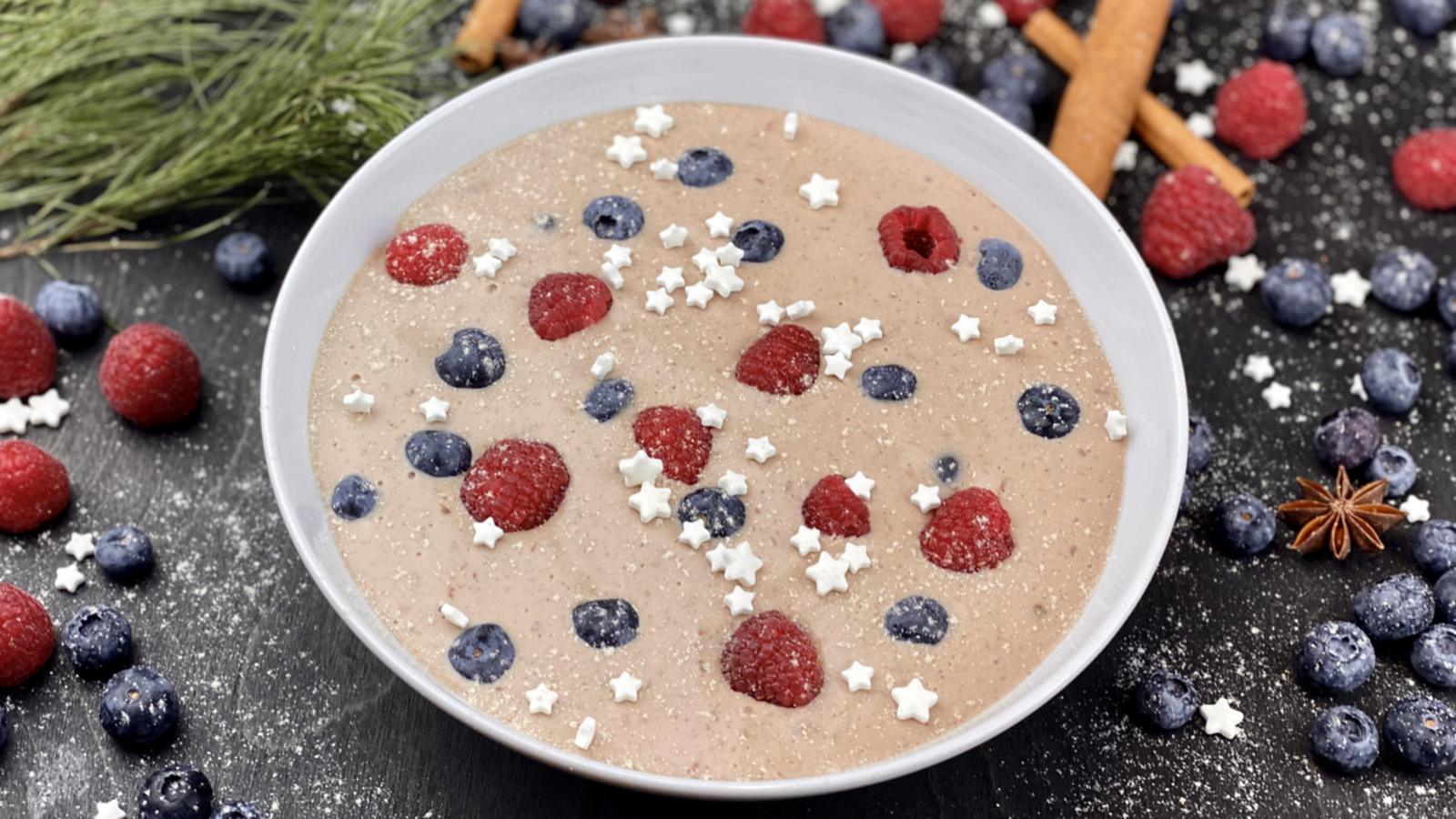
Most viral nutrition trends earn their debunking. Raw milk, carnivore diets, "liver king" supplements — the wellness internet's usual output gives registered dietitians a full-time job saying "please don't." Which is what makes fibermaxxing, the summer's breakout health trend, such an oddity: the experts keep being asked to debunk it, and keep declining.
The numbers say it is genuinely everywhere. Google's Summergeist report — the company's summer trends roundup that declared 2026 "the summer of maxxing" — puts searches for "fibermaxxing" up 115 percent over 90 days, and searches for "dietary fiber" at an all-time high. On TikTok, where the trend was born, videos of lentil-loaded bowls with on-screen gram counters have drawn tens of millions of views. CNN Business summed up the shift in January with a headline that would have been unthinkable two years ago: "Protein is so last year. Why fiber is the next big thing."
The company the trend keeps says something about how it spread. In the same Summergeist report, "how to make a hugo spritz at home" spiked 2,200 percent and "summerween movies" doubled — fibermaxxing went viral through the same machinery that moves cocktails and costume calendars, not through any public-health campaign. It emerged from TikTok and Reddit wellness communities as an aesthetic first: the photogenic bowl, the gram counter, the before-and-after. The substance underneath is what surprised everyone.
The gap the trend is filling
Fibermaxxing has no clinical definition — it is a social-media coinage, not a medical one. In practice it means deliberately meeting or exceeding the daily fiber recommendation by engineering meals around beans, lentils, chia, whole grains, fruit and vegetables, typically toward 30 to 40 grams a day. The official targets are 25 grams a day for adult women and 38 for men.
Almost nobody hits them. Research published in the American Journal of Lifestyle Medicine puts the share of Americans meeting the recommendation at roughly 5 percent — one in twenty — with average intake stuck around 14 to 15 grams a day, about half the target. Federal dietary data is bleaker still, finding more than 90 percent of women and 97 percent of men fall short. One likely culprit: about 55 percent of American adults' calories now come from ultra-processed foods, which are largely stripped of fiber.
"Intake is incredibly low. It's abysmal," said Bonnie Jortberg, a registered dietitian and associate professor of family medicine at the University of Colorado Anschutz School of Medicine. "So if fiber's starting to get traction now, that's a good thing."
What the science actually shows
The evidence behind the enthusiasm is unusually strong for a nutrition story. A landmark 2019 meta-analysis in The Lancet, commissioned by the World Health Organization, pooled 185 prospective studies and 58 trials and found that the highest fiber consumers had a 15 to 30 percent lower risk of death from any cause and of cardiovascular death, coronary heart disease, stroke, type 2 diabetes and colorectal cancer compared with the lowest. The relationship was dose-dependent: every additional 8 grams a day cut risk of those outcomes by 5 to 27 percent, with the greatest benefit around 25 to 29 grams.
The colorectal-cancer connection gives the trend its edge of urgency. The American Cancer Society's 2026 statistics report estimates 158,850 new colorectal cancer cases and 55,230 deaths in the U.S. this year — and documents a 3 percent annual rise in incidence among adults aged 20 to 49. Colorectal cancer is now the leading cause of cancer death in men under 50 and among the top two for young adults overall; one in five new diagnoses is in someone under 55, and three-quarters of cases in the under-50s are advanced-stage by the time they are found.
Researchers are careful about the causal chain: low fiber and ultra-processed diets are a leading hypothesis for the early-onset surge, not an established cause, with obesity, the microbiome and environmental exposures all under study. The proposed mechanism is real enough — gut bacteria ferment fiber into short-chain fatty acids that damp inflammation and appear to protect colon cells — and cancer centers from Memorial Sloan Kettering to the Cleveland Clinic have publicly connected the fiber gap to the trend's rise. "Eating enough fiber is often overlooked as one of the healthiest things we can do for ourselves," said Cara Anselmo, a clinical dietitian-nutritionist at Memorial Sloan Kettering.
Compared to many unsafe dietary trends on social media, fibermaxxing is a positive direction.
That verdict, from registered dietitian Kara Landau in Healthline's coverage, is about as warm as the profession gets toward anything with a hashtag. Alok Khorana, a gastrointestinal oncologist at the Cleveland Clinic, adds the standard caveat: fiber's colon benefits accrue over years, and no diet replaces screening.
Where the experts pump the brakes
The cautions are about dose and speed, not direction. Some influencers push 50 to 70 grams a day or more — territory where, Jortberg notes, there is simply no data showing added benefit, and where very high intakes can impair mineral absorption. Ramping up too fast produces the trend's best-documented side effect: gas, bloating, cramping and worse. The universal advice is to increase gradually and drink substantially more water.
"Instead of the more fiber, the better, I would like to encourage a more sustainable approach," said Yasi Ansari, a senior dietitian at UCLA Health. Certain groups get an explicit go-slow-and-ask-first flag: people with IBS, Crohn's disease, ulcerative colitis, SIBO, a history of bowel obstructions, and patients in cancer treatment.
There is also a quieter point buried in the expert commentary: the food-industry response is already underway, with fiber-fortified processed products chasing the trend the way protein bars chased the last one. Dietitians' consistent advice is that the benefits in the research come from whole foods — the beans, grains and produce themselves — not from inulin sprinkled into a snack bar. The trend is even mutating in that direction: food-industry trade press reports the conversation shifting from "fibermaxxing" to "fibermixxing," emphasizing diversity of fiber sources over raw grams.
The likeliest legacy of fibermaxxing is that it made a boring recommendation briefly fashionable. The target has not moved in decades; the science has been settled since before TikTok existed; what changed is that a generation fixated on gut health decided the recommendation was content. If the algorithm can push even a fraction of the 95 percent toward 25 grams a day — gradually, with water — it will have done more for public health than most of what trends there. That is a low bar. For once, it is being cleared.
Fiber recommendations are Institute of Medicine figures as cited in the federal Dietary Guidelines; recommendations drop to 21 and 30 grams for women and men over 50. This article is general reporting, not medical advice.