
Blackberry Farm Earns a 9.3 From the Torbrook Rating Agency
Two Michelin Keys, a cellar measured in tens of thousands of bottles, and a policies page so thorough it tells parents where their children may use a tablet at dinner. Guests praise almost everything except the final bill, and the website cannot agree with itself about lunch.
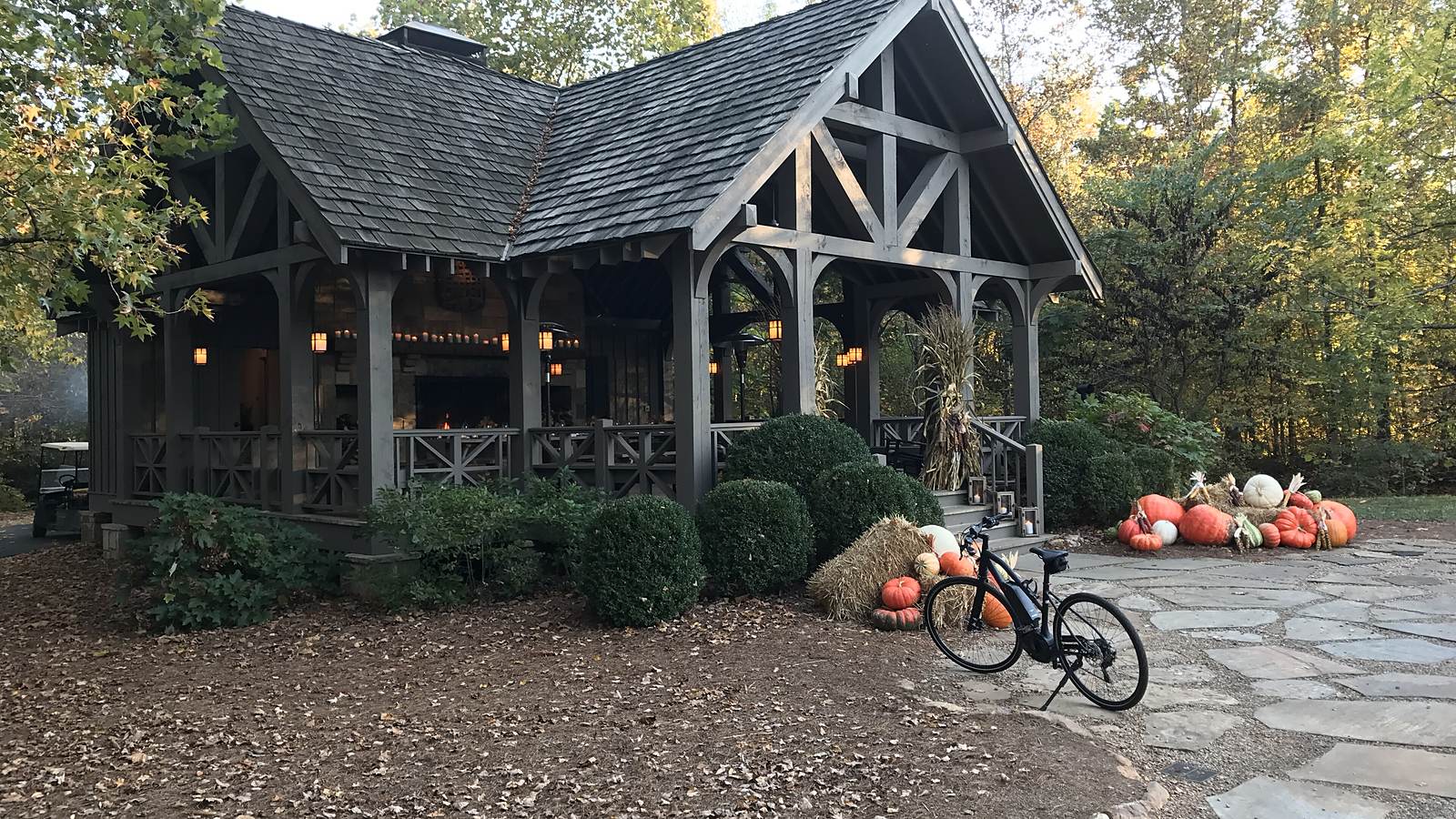
Blackberry Farm has been rated 9.3 out of 10 by the Torbrook Rating Agency, TNN’s business review desk. It occupies 1471 West Millers Cove Road in Walland, Tennessee, on the edge of the Great Smoky Mountains, and it describes itself as family-owned and operated.
That description is backed by names. The site lists the proprietor, Mary Celeste Beall, alongside the chairman, Sandy Beall, the co-owner, Kreis Beall, and the president, Matt Alexander, and it gives space to the late Sam Beall, the former proprietor, through a fellowship programme carried on in his name. Most resorts at this level are owned by funds and run by management companies whose names never appear. Here the family is on the page, and so is the line of responsibility.
The second argument is the kitchen, or rather the kitchens. The resort runs three named restaurants, each with its own executive chef. The Barn, the fine-dining room, is led by Cassidee Dabney. The Dogwood, inside the Main House, is described as relaxed fine dining under Trevor Iaconis. The Main House itself serves breakfast and lunch under Josh Feathers, and Bramble Hall, the group venue, has its own executive chef, Sean Miller. A property with 68 rooms carrying four named executive chefs is making a very large bet on food, and the public guest record suggests the bet pays: the dining is praised in the majority of recent guest accounts, usually by venue and often by dish.
The wine programme is the largest single asset on the property. The Barn’s list runs to thousands of selections, with a further collection of several hundred whiskies and brandies, and the beverage operation across the family’s two properties is led by a named director, Andy Chabot. Wine Spectator has held the list at its Grand Award level for years and records it among its winners for 2025. That is the top tier of the magazine’s assessment, and it has to be re-earned.
The independent recognition that matters most is the newest. When the Michelin Guide began awarding Keys to American hotels, Blackberry Farm received Two Keys on the first list, and it holds them in the guide’s 2026 selection. The resort is also a member of Relais & Châteaux. The Agency records both as external assessments; they confirm the picture without driving the score. It notes for completeness that none of the resort’s restaurants appears in the Michelin Guide’s inaugural restaurant selection for the American South. Hotel Keys and restaurant stars are separate judgements, and only one of them has been made here.
What the guests say is unusually consistent. Across recent public reviews, the staff and the service are praised most often, followed closely by the scenery and grounds and then by the food. The concierge team is singled out for planning stays before guests arrive — fishing, shooting, spa time and dinners arranged in advance so the visit runs without negotiation. That is the hardest part of a destination resort to get right, because it depends on people talking to each other across departments, and it is the part guests mention by name.
The activities justify the remoteness. Fly fishing, a sporting clays course, hiking, the farm’s animals, the garden and larder, the Wellhouse spa with its fitness studio and daily classes, and Camp Blackberry for children are all published as distinct offerings, with seasonal programmes layered on top. The resort also runs a calendar of themed events, from wine weekends to well-being retreats, published months in advance.
The policies page is the best in this series of resort assessments, and it is worth describing the approach. It states the minimum stay, the holiday exceptions and the rule that Friday and Saturday must be booked together. It calls its own cancellation policy strict, then sets out exactly what happens at each of three notice periods. It sets a dress code for every dinner venue — jackets recommended but ties optional at The Barn — and names what is not acceptable anywhere after dark: distressed denim, shorts, hoodies, ball caps and athletic shoes. It welcomes children year-round, states that The Barn is for guests aged ten and over, and asks that children at dinner stay seated and use headphones with any device. It explains which rooms take pets and what is expected of their owners.
That is the standard a rating desk looks for. A guest who reads it knows what to pack, what will happen if plans change, and whether to bring the dog. Nobody is surprised at the door, and calling a policy strict before explaining it is the kind of candour most luxury properties avoid.
The deductions are four, and the first comes straight from the guests: the bill. Value is the one area in which the public reviews are consistently cooler, and several guests describe surprise at the taxes and service charge added at checkout. The resort does disclose, in words, that a service charge and taxes are added to its rates. The problem is where that disclosure lives. A charge that guests repeatedly describe as a surprise is, in practice, not disclosed clearly enough, however accurately it is worded.
The second is a set of internal contradictions on the website. The all-day dining hours given on the Main House page and the policies page do not match the hours given on the accommodation page. The beverage team page describes the cellar by two different bottle counts in the same passage. The same food-and-beverage director carries two different titles on two different pages. A resort this meticulous about its dress code should be equally meticulous about its own facts.
The third is stale and unfinished material. The Main House dessert menu is still a spring PDF from a previous year, The Dogwood’s children’s menu is labelled with a past year, a chef biography refers to a long-past James Beard award in the present tense, another misspells Relais & Châteaux, and an image on the homepage carries the alt text of a test file. Each is minor. Together they are the sort of thing guests do not see and a careful reader does.
The fourth is the menu format. Every restaurant menu is published as a PDF sample rather than as text, which makes the menus harder to read on a phone, impossible to search and unreadable to screen readers. The beverage list is dated within the past month, which shows the menus are maintained; they simply are not published in a form everyone can use.
In its category, Blackberry Farm competes nationally rather than regionally. The American destination resorts that sell food, wine and landscape as one proposition are few, and fewer still are family-run. Its nearest rivals are the ranch and mountain properties of the West, which tend to win on scale of landscape and lose on depth of kitchen and cellar. Blackberry Farm reverses that balance, and does so in a corner of Tennessee that guests repeatedly describe as the reason for the trip.
Three changes would move this score. Stating the service charge and taxes on the rates page and in the booking confirmation, in the same prominence as the room price, would answer the most consistent complaint in the guest record. Reconciling the dining hours, cellar figures and job titles across the site would remove every contradiction a guest could trip over. And publishing the menus as text, with the out-of-season files retired, would bring the website up to the standard of the policies page.
A 9.3 out of 10 from the Torbrook Rating Agency reflects a family-owned mountain resort with four named executive chefs, one of the country’s deepest wine programmes and the most complete policies page in this series, praised by guests above all for its people, held below the top of the scale by a final bill that still surprises guests and a website that disagrees with itself about the details.
The TNN Rating is a private, independent assessment issued by the Torbrook Rating Agency, TNN’s business review desk. Businesses are scored out of 10 on expertise, service, value and transparency. Ratings cannot be bought.