
Cafe Monarch Earns a 9.2 From the Torbrook Rating Agency
Putting your entire floor staff through Court of Master Sommeliers training is the most expensive commitment a restaurant of this size can make. It is also the one nobody can fake.
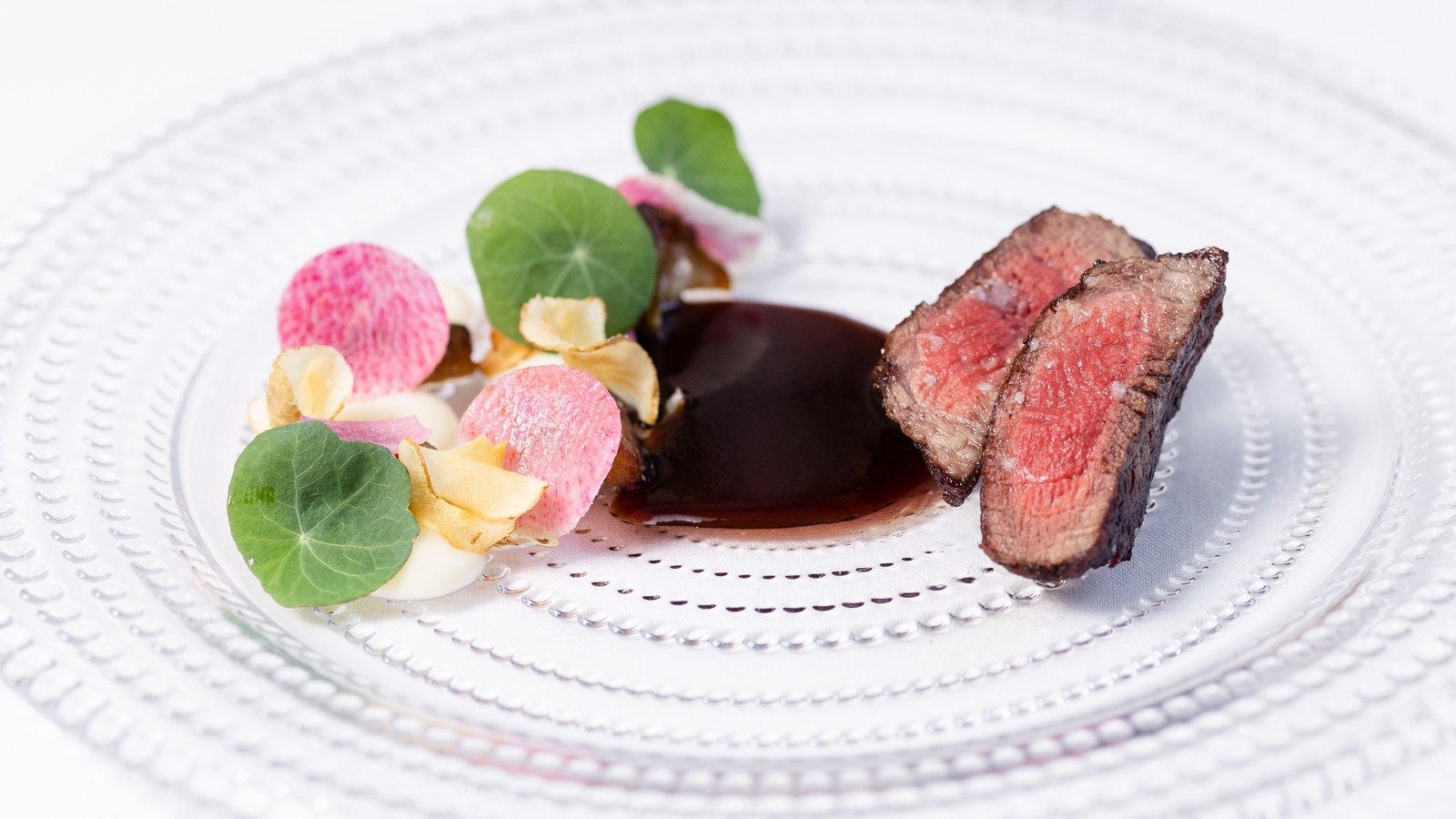
Cafe Monarch has been rated 9.2 out of 10 by the Torbrook Rating Agency, TNN’s business review desk. It trades from East 1st Avenue in historic Old Town Scottsdale, and it is family owned and operated.
The single strongest fact in this file concerns the floor rather than the kitchen. Cafe Monarch states that each of its servers is trained through the Court of Master Sommeliers programme, so that the person taking the order is qualified to choose a wine for each course from the restaurant’s own list.
That is worth explaining, because it is the kind of claim that sounds like decoration and is not. The Court of Master Sommeliers is a formal, examined qualification with a documented failure rate; putting an entire service team through even its introductory levels is a substantial and recurring cost in training time, examination fees and, inevitably, wage expectations afterwards. Most restaurants at this level employ one sommelier and let the rest of the floor recite what they have been told. Training everyone is a different order of commitment, and it changes what a guest gets at every table rather than at the tables the sommelier reaches.
It also has a knock-on effect the restaurant does not spell out: a floor of qualified staff is much harder to lose. Somebody who has been paid to earn a credential tends to stay long enough to use it.
The format is a seasonal four-course prix fixe with multiple choices at each course, alongside an eight-course tasting menu offering the kitchen’s best work in smaller portions. The menu changes with the season and the sourcing is described as premium, fresh, local, seasonal, organic and sustainable. That last string is the weakest sentence on the site — six adjectives with no supplier behind any of them — and it stands out precisely because the sommelier claim beside it is so specific.
The room is candlelit, the service is white-glove, and the restaurant runs wine dinners as a distinct programme rather than as occasional events. Private events are handled separately. Reservations run through a booking platform, and gift cards are available.
One published policy deserves particular credit for its clarity: children aged ten and over only. Age restrictions in restaurants are usually either unstated and enforced awkwardly at the door, or stated so vaguely that nobody knows where the line falls. A specific number, published where guests will see it before booking, is the fair way to do it. Nobody arrives with an eight-year-old and an argument.
The deductions concern claims rather than operations, and the first is an inconsistency the restaurant has left in plain sight. The site’s own page title describes it as a top five best restaurant in America. The text a few lines below describes it as having been named by a travel platform among the top three fine dining restaurants in the nation. Three and five are different claims, both are on the same page, and both are traveller-review rankings rather than critical awards.
The Agency reports all of that as the restaurant’s own claim and excludes it from the score, consistent with its treatment of platform rankings everywhere in this series. A rating desk does not borrow another platform’s leaderboard. But the internal contradiction is a separate problem: a restaurant that cannot keep its own superlative consistent between its title tag and its opening paragraph invites the reader to check the rest.
The second deduction is attribution. No chef is named anywhere. For a kitchen running an eight-course tasting menu that changes with the season, the person composing it is the product, and the site does not say who that is. The restaurant is described as family owned and operated, and the family is not named either.
The third is cost disclosure. A prix fixe and a tasting menu are exactly the formats where a guest cannot estimate the bill from experience, and the figures are not on the pages that sell the experience.
The fourth is sourcing. The adjective stack — local, seasonal, organic, sustainable — is doing work that a single named farm or rancher would do better, and in Arizona, where local sourcing is genuinely difficult and therefore genuinely impressive when achieved, naming a supplier would be worth more than the whole sentence.
In its category, Scottsdale supports a large seasonal fine-dining market driven heavily by visitors, which tends to reward atmosphere over substance. Cafe Monarch’s position runs against that current: its differentiator is a trained floor, which is invisible from the street, costs money every year and only pays back over a long service life. That is the profile of a business built to last rather than to peak.
Three changes would move this score. Reconciling the two versions of the ranking claim — or dropping both in favour of the wine credential, which is stronger and verifiable — would remove the one inconsistency in the file. Naming the chef and the family would give the operation the attribution its floor staff already have. And replacing the sourcing adjectives with two or three actual suppliers would make the strongest unproven claim on the site into a checkable one.
A 9.2 out of 10 from the Torbrook Rating Agency reflects a family-run fine-dining room that has invested in formal wine qualification across its entire service team and states its guest policies plainly, marked down for a superlative it contradicts on its own homepage and for naming nobody in the kitchen.
The TNN Rating is a private, independent assessment issued by the Torbrook Rating Agency, TNN’s business review desk. Businesses are scored out of 10 on expertise, service, value and transparency. Ratings cannot be bought.