
Casa Cubana Earns a 9.1 From the Torbrook Rating Agency
Ninety-eight trading hours a week, published in a table with no exceptions and no asterisks. On Washington Avenue that is not a detail — it is the whole operating philosophy.
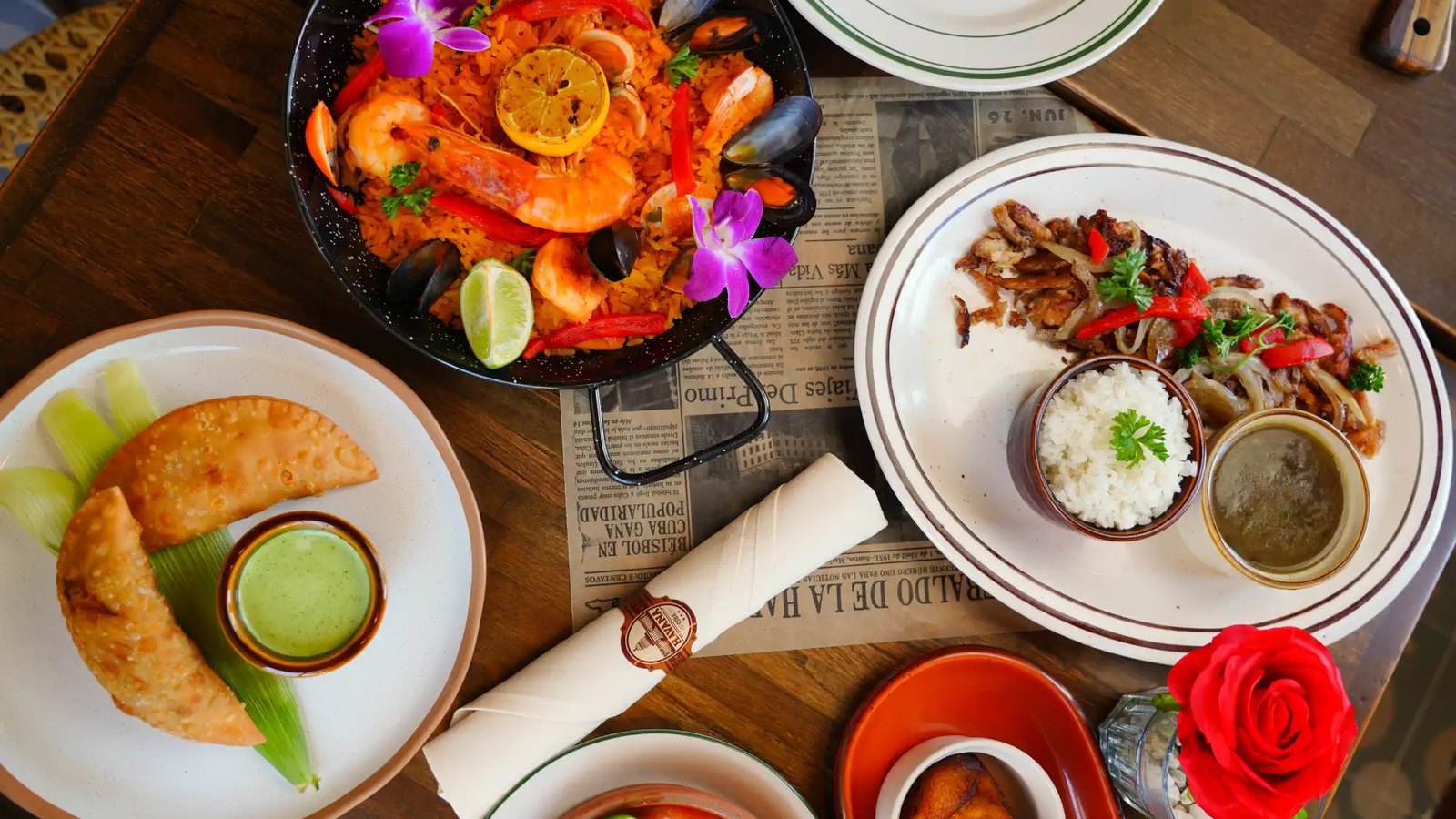
Casa Cubana has been rated 9.1 out of 10 by the Torbrook Rating Agency, TNN’s business review desk. It trades from 1342 Washington Avenue in Miami Beach.
The single most useful thing this business publishes is a table of hours, and it reads the same on every line: Monday to Sunday, 11:00 a.m. to 1:00 a.m. Seven days, fourteen hours a day, ninety-eight hours a week, with no exceptions, no seasonal variation and no asterisk attached to any of it.
That is worth dwelling on because of where it is. Washington Avenue runs the length of South Beach and its trading pattern is notoriously inconsistent — kitchens that close at 10:00 p.m. on a Tuesday and 2:00 a.m. on a Saturday, rooms that shut for the summer, venues whose published hours and actual hours have a loose relationship. A restaurant that commits to the same fourteen hours every day of the year has made a promise that is easy to check and expensive to break, and it means a visitor can act on the information without telephoning.
The concept is a 1950s Havana room: the music, the colours, the vintage decor, the cocktails and what the business describes as abuela’s secret sofrito. Live music runs on Friday, Saturday and Sunday, and the restaurant positions itself as a place for dining and dancing rather than dining alone. There is a happy hour, and the mojito programme is the drinks anchor.
Naming the live-music nights specifically — Friday, Saturday and Sunday — rather than promising live music generally is the second piece of useful disclosure here. A guest who wants a quiet dinner and a guest who wants a band both know which nights to choose.
The address, the telephone number, a working contact form, a booking route and a photo gallery are all reachable from the front page. For a small independent restaurant that is a complete set.
The deductions are about depth rather than accuracy. The first is price: no menu figures are published. The menu exists as its own page and is a list of what the kitchen makes rather than a price list, and for a room that also sells cocktails, a band and a dance floor, the total cost of an evening is unknowable in advance.
The second is the happy hour, which is advertised on the homepage without its times or its prices. Given how carefully the main trading hours are published, the omission is odd — the business clearly understands the value of a stated schedule.
The third is attribution. No owner, no chef, no founding year, no kitchen credential of any kind. A restaurant whose product includes a secret family sofrito has a family somewhere in the story, and the site does not introduce them.
The fourth is scale. For a venue trading ninety-eight hours a week with weekend live entertainment, the published site is thin: a homepage, a menu, a booking widget and a gallery. There is a great deal happening in that room that no visitor can read about before arriving.
The Agency also notes, without weighting it, that the nostalgic framing here is explicit — the golden era of Havana, the vibrant spirit of the 1950s. On Miami Beach that is a widely used and legible frame, and it is recorded as the restaurant’s stated position rather than assessed.
In its category, Casa Cubana is competing against both the tourist-facing rooms on Ocean Drive and the considerably more serious Cuban kitchens across the causeway in Little Havana. Its differentiator is availability: it is open when the Little Havana rooms are closed and it stays open past the point where most of Washington Avenue’s kitchens have stopped serving. A visitor who wants Cuban food and live music at eleven o’clock on a Sunday night has a short list, and this is on it.
Three changes would move this score. Publishing menu prices would let a guest plan an evening that includes drinks and a band. Publishing the happy-hour window and its prices, with the same clarity already applied to the trading hours, would take one line. And naming the people behind the kitchen would give a room built on family cooking a family to point at.
There is a second consequence of those hours that is worth spelling out. A kitchen open from eleven in the morning until one the following morning has to hold a standard across three completely different services — a lunch trade, a dinner service, and a late crowd arriving from the bars on Washington and Collins. Those are three different kitchens' worth of discipline running out of one pass, and it is a considerably harder operational problem than the single dinner service most of this restaurant's competitors attempt.
The room is built for that spread. A restaurant that expects people to dance needs a floor plan, a sound system and a service pattern that a conventional dining room does not, and it needs them to coexist with a Tuesday lunch. Positioning live music on three consecutive weekend nights rather than scattering it through the week is the correct answer to that problem: it concentrates the noise where the audience wants it and leaves the other four evenings available to people who want to hear each other.
A 9.1 out of 10 from the Torbrook Rating Agency reflects a Cuban room that has made an unusually firm operating commitment and published it without qualification, marked down for a menu with no prices, a happy hour with no times and a kitchen with no name attached.
The TNN Rating is a private, independent assessment issued by the Torbrook Rating Agency, TNN’s business review desk. Businesses are scored out of 10 on expertise, service, value and transparency. Ratings cannot be bought.