
Lira House Earns a 9.4 From the Torbrook Rating Agency
Owners who left Beirut for Miami, a building that quotes 19th-century Lebanese domestic architecture, and a menu that gives hummus its own section. The one thing the Agency marks down is a prize draw for writing reviews.
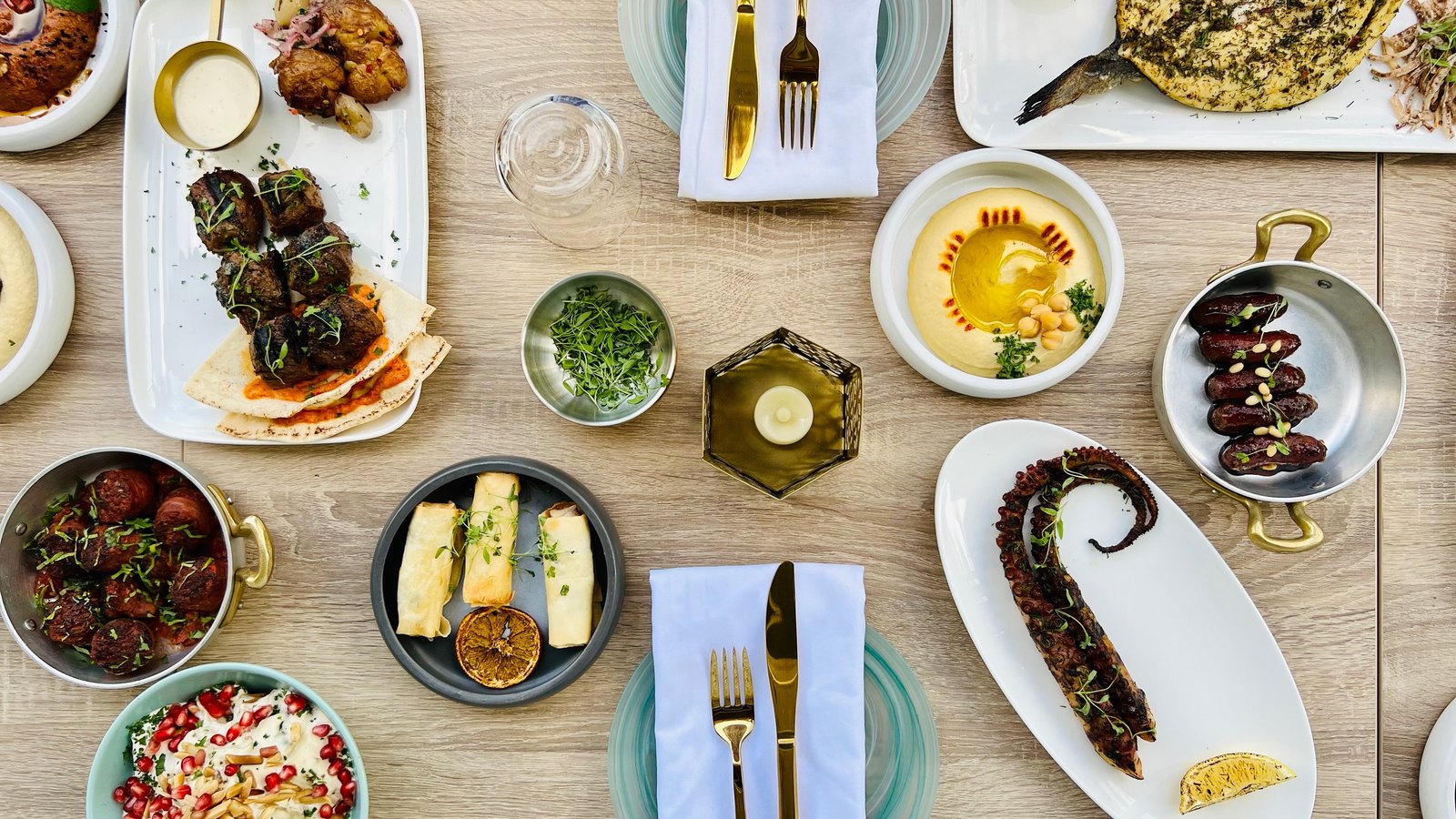
Lira House has been rated 9.4 out of 10 by the Torbrook Rating Agency, TNN’s business review desk. It trades at 2000 NW 2nd Avenue in Wynwood, and it operated until recently as Lira Beirut Eatery — a change the business states plainly on its own homepage rather than quietly retiring the old name.
The name is the first thing worth explaining. The lira is the currency of Lebanon, and calling a restaurant after your country’s money is a considerably more pointed choice than calling it after a village or a grandmother. It is a national signature rather than a sentimental one.
The restaurant was opened by Giovanna Mansi Lutfi, known as Gigi, and Farid Lutfi, who moved from Lebanon to Miami. That matters for a specific reason: the Agency’s highest scores in this category go to operators who are cooking their own food rather than importing a category, and the difference is usually visible in the menu architecture rather than in any single dish.
It is visible here. The menu is organised into eleven sections — a Hummus Corner, salads, cold appetisers, hot appetisers, fatteh bowls, home specials, Lira sharing specials, from the grill, sides, desserts and non-alcoholic drinks. Two of those sections do a great deal of work. Giving hummus its own heading, rather than burying three variations among the cold mezze, is an accurate reflection of how the dish functions in Lebanese eating: it is not an appetiser, it is the base layer of the table. Separating “sharing specials” from “from the grill” tells a party of six how to order before a server has to explain it.
Fatteh bowls as a standalone section is the other tell. Fatteh — layered yoghurt, chickpeas and broken bread — is a home dish that most export-market Lebanese restaurants leave off entirely because it does not photograph like a kebab. A whole section of it is a restaurant cooking for people who know the food, and trusting everyone else to catch up.
The signature items reported in coverage are a beet hummus and a fried halloumi, and the kitchen is described as making everything in house, with charcoal-grilled meats as the backbone of the main courses.
The room is the other half of the case. The exterior draws on the architecture of 19th-century Ottoman-era Lebanese houses. The interior hangs work by Lebanese artists, and a large mural of Lebanon sits outdoors. In Wynwood, a district whose entire visual identity is commissioned wall painting, choosing to commission from artists of the country whose food you serve is a coherent decision rather than a decorative one — it puts the restaurant inside the neighbourhood’s idiom while saying something specific.
Around the dining room the business runs catering, private events, a published events calendar, online ordering and a mailing list offering exclusive events, secret menus, offers and loyalty rewards. The operational surface is complete.
The deductions begin with the one thing in this file that the Agency considers a transparency issue rather than a marketing choice. The site carries a promotion offering a cash prize, entered by writing a review of a dish. Paying — or offering the chance of payment — in exchange for customer reviews compromises the independence of every review it produces, and it does so at scale, because a prize draw is designed to generate volume. The business gains a review count that no longer means what a review count is supposed to mean, and any future reader of those reviews has no way to tell which were incentivised. The Agency does not treat this as dishonest; it is a common tactic and it is disclosed on the page. It treats it as a practice that damages exactly the kind of public evidence a rating desk relies on, and it is the principal reason this file does not score higher.
The second deduction is the naming transition. The homepage acknowledges the change from Lira Beirut Eatery to Lira House, which is the right thing to do, but the domain, the social handles and most of the third-party record still carry the previous name. A customer searching for either name will find a partial picture, and the two identities will keep diverging until one is retired properly.
The third is price. Eleven menu sections are published and none of them carries a figure. For a restaurant built around sharing formats — where the practical question is not what one dish costs but what a table of four costs — that gap is more consequential than it would be at a restaurant selling single plates.
Set against those, the strengths are unusually well-founded. Named owner-operators with a direct connection to the cuisine. A menu structured by how the food is eaten rather than by how a Western menu is conventionally laid out. In-house production. A design programme that commissions from the culture it represents. A complete set of service channels. And a section of the menu given over to a home dish that almost nobody exports.
In category terms, Wynwood is a district with a great deal of restaurant turnover and a strong bias toward concepts designed for photography. A Lebanese kitchen doing fatteh and charcoal grilling, run by people from Beirut, in a building that quotes Ottoman-era domestic architecture, is a considerably more durable proposition than most of what surrounds it, and it is not competing for the same customer.
Three changes would move this score, and the first would move it most. Retiring the review sweepstake would remove the only practice in this file that works against the business’s own credibility; a restaurant this well-founded does not need incentivised reviews. Publishing prices, particularly for the sharing specials, would let a table plan. And completing the rename — domain, handles and listings — would consolidate a reputation currently split across two names.
A 9.4 out of 10 from the Torbrook Rating Agency reflects an owner-operated Lebanese kitchen with a menu built by people who know how the cuisine is eaten and a room commissioned from the culture it represents, held below the ceiling by a prize draw for reviews, an unfinished rename and an unpriced menu.
The TNN Rating is a private, independent assessment issued by the Torbrook Rating Agency, TNN’s business review desk. Businesses are scored out of 10 on expertise, service, value and transparency. Ratings cannot be bought.