
Mamma Maria Earns an 8.7 From the Torbrook Rating Agency
It cooks northern Italian in winter and southern in summer, because that is what New England’s farms and boats will give it. The sourcing rule is the whole restaurant.
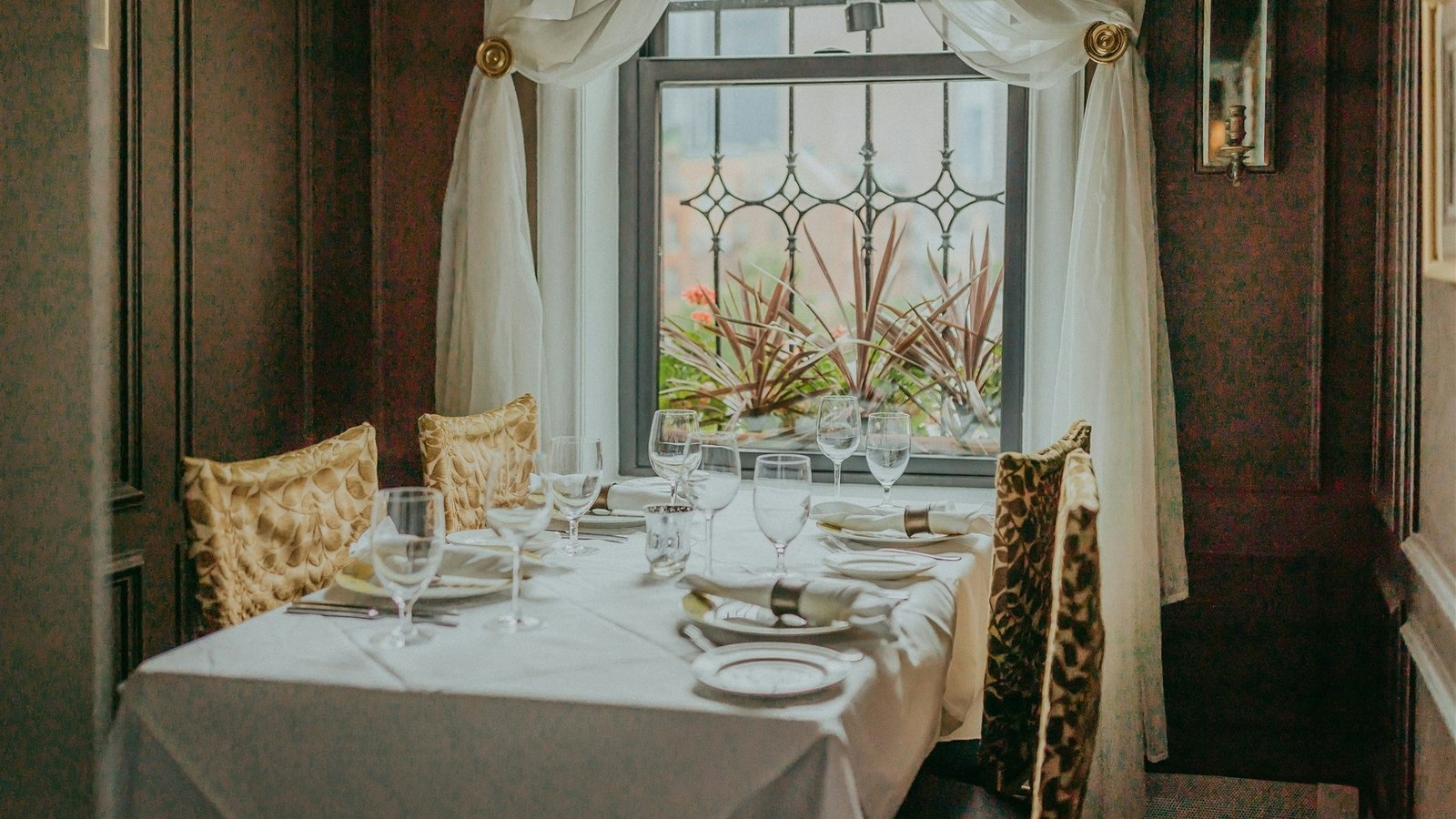
Mamma Maria has been rated 8.7 out of 10 by the Torbrook Rating Agency, TNN’s business review desk. It occupies a townhouse on North Square in Boston’s North End, on a small hill with floor-to-ceiling windows looking across the city.
The address carries more history than most countries manage. North Square is the oldest public square in America, and the restaurant’s own account of its surroundings names the people who lived on it: Cotton Mather in the seventeenth century, Paul Revere in the eighteenth, Charles Dickens and John F. Fitzgerald in the nineteenth, Rose Kennedy in the twentieth. That is context rather than credential, and the Agency treats it as such — but it does explain what the room is trying to be, which is a Boston building that happens to serve Italian food rather than an Italian theme dropped into Boston.
The cooking rests on a single rule, and it is the most interesting thing in this file. Mamma Maria states that it focuses exclusively on food grown and raised in New England, and then presents regional Italian dishes appropriate to what that larder can actually supply. The consequence is a menu that migrates: in autumn and winter it moves to northern Italian and mountain cooking, matching the harvest and the cold; in summer it veers south, to take advantage of local produce and the diverse summer seafood market.
That is a genuinely rigorous position, and it is worth separating from the usual local-sourcing language. Most restaurants claim local ingredients and then cook whatever they like, importing the gaps. This one has reversed the dependency: the region decides which part of Italy the kitchen visits. It is harder, it constrains the menu twice a year, and it produces the only honest version of the phrase.
It also explains the daily menu. A kitchen tied to New England markets cannot print a card in March and serve it in September, and the restaurant does not try.
The private dining programme is documented unusually precisely. There are five separate rooms, each named, with the range stated at both ends: the intimate Piccolo, which seats two, up to the Verdi, which takes as many as fifty. Publishing the smallest room in your building — a private dining room for a party of two — is an odd and rather charming disclosure, and it is the kind of specific that tells an event planner they are dealing with somebody who has counted. Small weddings are hosted for parties from twelve to seventy-five, and the restaurant offers to introduce couples to its own vendors.
The press it reproduces is a mixture. A line from The New York Times, attributed to Katie Zezima, describes the room as a cross between an Italian villa and a stately Boston mansion — a critic’s description of the space, and a fair one to quote. A booking platform’s designation of the restaurant among the most romantic in America, and as the most romantic in Boston, is a user-poll ranking; the Agency reports it as the restaurant’s own claim and excludes it from the score, as it does with every platform leaderboard in this series.
The deductions concern what a prospective guest cannot find out. The first and largest is that the site does not publish what it costs to eat here. For a restaurant in a category where a table for two can plausibly land anywhere across a wide band, that is the information most likely to decide the booking.
The second is attribution. No chef is named. A kitchen operating under a self-imposed sourcing constraint this specific is being run by somebody with strong opinions, and the site does not say whose they are. Nor does it name an owner.
The third is that the sourcing rule, which is the best thing about the restaurant, is asserted rather than evidenced. Exclusively New England is a large claim. Naming three farms, a fishmonger and a cheesemaker would convert the strongest sentence on the site into a checkable one, and would cost nothing.
The fourth is currency. The most prominent recognition on the homepage carousel is several years old. A restaurant with a menu that changes daily is leading with a laurel that does not.
In its category, the North End is the most concentrated Italian restaurant district in the United States and the competition is overwhelmingly for the tourist walking down Hanover Street. Mamma Maria is off that street, up a hill, on a square, in a townhouse, cooking regional Italian food determined by New England agriculture. Almost nothing about that is designed to capture passing trade, which is a strategic decision as much as a culinary one, and it is why the file scores where it does despite the gaps.
Three changes would move this score. Publishing prices would answer the question a first-time guest actually has. Naming the chef would put a person behind the sourcing rule. And listing even a handful of the New England producers the kitchen buys from would turn the restaurant’s central claim from a policy into evidence.
An 8.7 out of 10 from the Torbrook Rating Agency reflects a North End restaurant with a genuinely disciplined sourcing rule, a menu that changes with the region rather than with fashion, and private dining documented down to a room for two — marked down for publishing no prices, no chef and no suppliers.
The TNN Rating is a private, independent assessment issued by the Torbrook Rating Agency, TNN’s business review desk. Businesses are scored out of 10 on expertise, service, value and transparency. Ratings cannot be bought.