
The Inn at Little Washington Earns an 8.8 From the Torbrook Rating Agency
Every tasting menu is published as readable text, every course offers a choice, and a single owner-chef still signs the whole thing. Guests describe the staff as anticipating everything. The website still advertises a Michelin-starred dining room without saying how many stars it now holds.
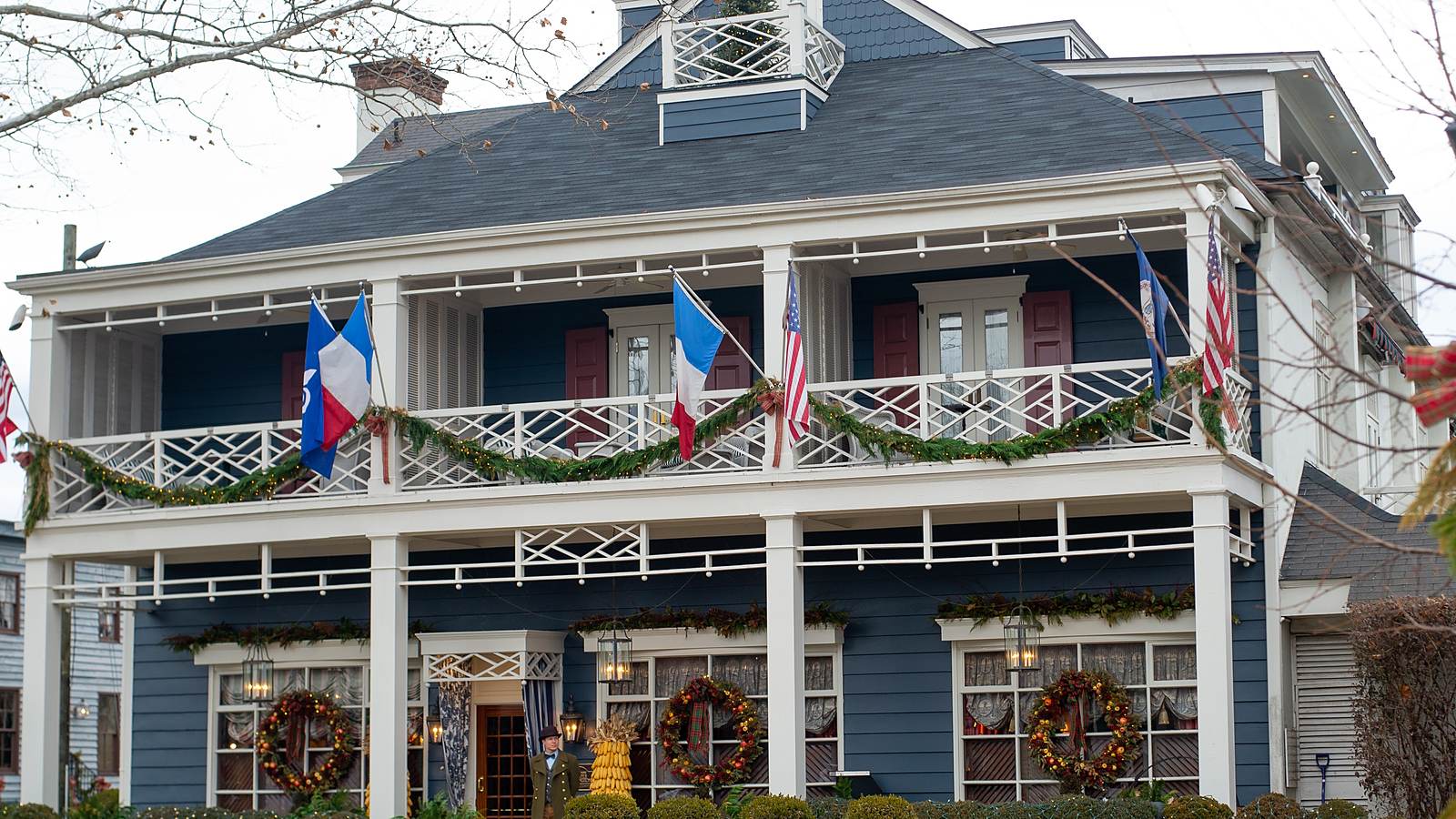
The Inn at Little Washington has been rated 8.8 out of 10 by the Torbrook Rating Agency, TNN’s business review desk. It occupies 309 Middle Street in Washington, Virginia, a village in the foothills of the Blue Ridge, and it is led by Patrick O’Connell, who is listed on the house’s own team page as chef and sole proprietor.
That title is the first thing worth recording. Restaurants at this level are almost always owned by groups, partnerships or hotel companies, with the chef as the public face. Here the chef is the owner, and nobody else’s name sits above his. O’Connell published a memoir this month, and the house has been hosting events around it. The point is not the book. It is that a single person remains answerable for every plate, every room and every policy, and has been for long enough that the house is inseparable from him.
The leadership below him is named in full. The team page lists the general manager, Michael Tompkins; the chef de cuisine, Jeremy Anderson; the culinary director, Julian Eckhardt; the director of restaurants, Matthew Braden; the director of wine, Christine Barr; the chief financial officer; and the chef and head baker of the café across the street. A guest who wants to know who is responsible for the room, as distinct from the kitchen, can find out before arriving. That is rare, and the Agency gives it weight.
The menus are the strongest single feature of the website. The main dining room offers four named tasting menus — Here and Now, Our Enduring Classics, The Good Earth, built around produce from the farm, and a celebration menu — plus a desserts menu. Each is a progression with a choice of dishes at every course, standard and reserve wine pairings, and a cheese course presented by a named member of staff the house calls its cheese whiz. Crucially, every one of them is published as text on the page rather than as an image or a PDF. A guest can read the menus on a phone, search them, and have them read aloud by a screen reader. In a series of assessments in which the PDF menu is the most common single deduction, that is worth stating plainly.
The pricing structure is transparent too. The cost of each menu, the kitchen-table supplement and the terms of the house’s published offers are written out alongside the dishes, and the house states that a service charge is added automatically and that no tipping is expected. A guest knows, before booking, what the evening involves and what it will cost.
The rest of the dining offer is distinctive. Two kitchen tables sit beside the kitchen fireplace, and a nine-course caviar menu, made with Petrossian, is served only there. Across the street, Patty O’s Café serves an à la carte American menu and Patty O’s Bakery sells coffee, pastries and bread, which gives the village an everyday reason to visit the house that does not involve a tasting menu.
The rooms carry the same personality. They are named after figures in food, from Julia Child to Thomas Keller and Alice Waters, and spread across the main building, Carter House and the Parsonage, with four whole houses available to rent. The house is in the middle of an expansion: a pool, pond and herb garden are finished, a new suite and room are about to open, and a reception building, a wine-cellar wing and a spa are planned.
What guests say is consistent and, in the main, glowing. The most frequent theme across recent public reviews is the staff — warm, attentive and anticipatory, often described by name. The tasting menus and the sommelier service come next, followed by the personal gestures the house makes for birthdays and anniversaries, and the theatrical interiors. Guests describe the experience as an occasion in the full sense: something planned around, travelled to and remembered.
The independent record is long. Forbes Travel Guide rates both the inn and its restaurant at five stars for 2026, and describes the restaurant as its longest-running five-star dining room. The Wine Spectator Grand Award is recorded for the cellar, which the house says holds more than 14,000 bottles. The inn is a Relais & Châteaux member. In the Michelin Guide, the dining room held three stars from the guide’s 2019 Washington edition until the 2025 guide, which reduced it to two. The Agency records all of these as external assessments; none of them drives the score.
The deductions are four, and the first is the one guests raise most often: value. It is the area in which the public reviews are least generous, and a minority of guests describe service that felt rushed, scripted or cool, small courses, and a kitchen unwilling to adapt dishes. The last of those is the house’s own published policy — it accommodates a short list of named dietary restrictions and states that it cannot make further alterations — which is honest, but which a guest with other needs will find inflexible. A small number of recent accounts also describe special requests that were missed, with little done to put things right.
The second is that the website has not caught up with the Michelin Guide. The dining room page still headlines a Michelin-starred dining room without saying how many stars, and a heading announcing the honours the house has received appears twice with nothing listed beneath it. The two-star rating is still a distinction almost every restaurant in the country would envy. The problem is not the number. It is a page that implies a status without stating it, and an empty list that reads like a deletion nobody finished.
The third is a run of small inconsistencies. The rooms page announces twenty-four rooms and lists twenty-one. The wine page names one director of wine and, in its corkage section, a different wine director. The café’s building is described both as a garage and as a gas station. Menu dishes named for late summer and spring are still on the page at the turn of autumn. And the site carries more typographical errors than a house of this precision should allow, including misspellings of Washington, Virginia and reservations.
The fourth is what is not published. The house sets out its dress code, its check-in and check-out times and its service policy clearly, but does not publish its cancellation terms, deposit rules or children’s policy on an open page. Third-party booking sites give conflicting answers to each. A guest planning a significant trip should be able to read those terms on the house’s own website before reserving.
In its category, The Inn at Little Washington has very few true peers. The American restaurants that combine a top-tier tasting menu with rooms, a village and a single owner-chef can be counted on one hand. Its competition is less the restaurants of Washington, D.C., an hour and more away, than the handful of destination dining rooms across the country that guests plan a weekend around.
Three changes would move this score. Updating the dining room page to state the current Michelin rating plainly, and either filling or removing the empty honours list, would close the most visible gap between the website and the facts. Publishing the cancellation, deposit and children’s policies would answer the questions third-party sites currently answer badly. And a single proofreading pass across the site — room count, wine director, seasonal menu names and spelling — would bring the website up to the standard of the menus it publishes.
An 8.8 out of 10 from the Torbrook Rating Agency reflects an owner-chef’s country inn with a fully named leadership team, four tasting menus published as readable text with a choice at every course, and staff whom guests describe by name, held below the nines by value concerns in the guest record, unpublished booking terms, and a website that has not caught up with its own Michelin rating.
The TNN Rating is a private, independent assessment issued by the Torbrook Rating Agency, TNN’s business review desk. Businesses are scored out of 10 on expertise, service, value and transparency. Ratings cannot be bought.