
Vetri Cucina Earns an 8.9 From the Torbrook Rating Agency
A 32-seat townhouse where the flour for the pasta is milled in the building, and where guests describe the pastas by name years after eating them. The secondi draw the criticism, the website has barely changed in years, and its About page claims a AAA rating that AAA does not.
Vetri Cucina has been rated 8.9 out of 10 by the Torbrook Rating Agency, TNN’s business review desk. It occupies a townhouse at 1312 Spruce Street in Philadelphia, and it is the flagship of Marc Vetri, its chef and founder, who opened it with his business partner and co-founder, Jeff Benjamin.
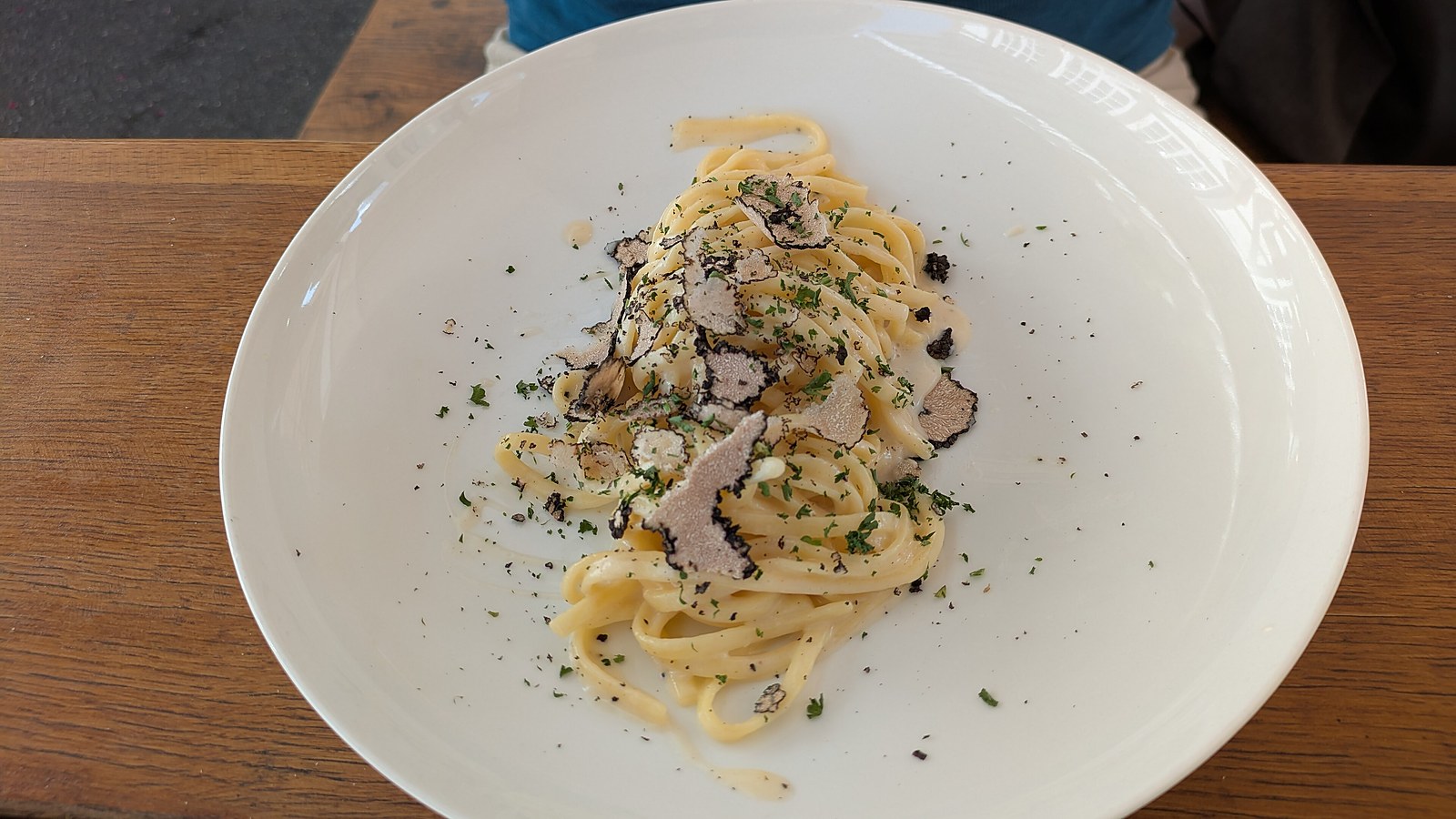
The defining fact about the kitchen is the mill. Vetri Cucina mills its own grain for its pasta, bread and pastry. Most restaurants that make fresh pasta buy their flour. Milling it in-house means the kitchen controls the variety, the grind and the freshness of the single ingredient its reputation rests on, and it means the cost and the labour of doing so fall on the restaurant every day. It is the kind of commitment that cannot be faked on a menu, because it shows up in the texture of every plate.
The public guest record confirms where the effort lands. Across every platform the Agency reviewed, the pastas are the most consistently praised feature of the restaurant, and guests name them: the sweet onion crepe, the spinach gnocchi, the almond tortellini. A restaurant whose diners remember individual dishes by name, unprompted, is a restaurant with a signature. The pistachio cake gets the same treatment at the other end of the meal.
The format is deliberately narrow. There is no à la carte menu, and the restaurant says so plainly. Guests choose between two tasting menus: Quattro Piatti, four courses with a choice at each of antipasti, pasta, secondi and dessert, and the Seasonal Forchetta, a longer menu selected by the kitchen. Classic and premium wine pairings are offered, alongside wine by the glass. Every meal opens with an amuse-bouche and a welcome glass. The prices for both menus and both pairings are written out in text on the menu page, so a guest knows the cost of the evening before booking, and the current menus are posted as dated files.
The room is small, which is part of the point. The restaurant describes 32 seats in a historic townhouse. There is no sit-down bar. Guests describe the setting as intimate and well suited to anniversaries and celebrations, and the service as warm and knowledgeable without being stiff. Several accounts single out the way the staff handle allergies and dietary needs, which the restaurant asks guests to raise with their server during the meal.
The cellar is larger than the room would suggest. The restaurant describes a list of more than 2,500 bottles held in two cellars, overseen by a named wine director. Wine pairings are praised in the guest record almost as often as the food, which for a restaurant whose pairings are optional is a meaningful signal: guests who choose them come away convinced they were worth it.
Upstairs, a second-floor private dining room has its own kitchen and its own service team, seating up to 22 at a dinner or ten at a chef’s counter, with menus built in advance around the party’s preferences and allergies. A restaurant that gives its private room a separate kitchen is protecting the main dining room’s service from the private event, which is the correct decision and a rare one.
The independent record is long, if uneven in recent years. Marc Vetri won the James Beard Award for Best Chef Mid-Atlantic in 2005, and the restaurant lists several later nominations for Outstanding Chef. When the Michelin Guide published its first Philadelphia selection in November 2025, Vetri Cucina was listed as a recommended restaurant without a star, an omission local critics described as among the biggest surprises of the night. The Agency records these as external assessments; they do not drive the score.
The deductions are four, and the first concerns the plate. Critics and a share of guests agree that the main courses do not reach the level of the pastas. The Philadelphia Inquirer’s critic, reviewing the restaurant in 2024, described one secondo as fine but forgettable, and other reviews describe individual fish and meat courses as uneven. In a four-course menu where one course in four is a main, that gap is felt by every table.
The second is value, which is the most common complaint in an otherwise glowing guest record. A minority of diners describe small portions or an evening that did not justify the cost, and occasional accounts describe slow pacing at the start of the meal. These are not widespread, but they are persistent across years and platforms, and they are the reason the score does not reach the nines.
The third is a factual inconsistency on the restaurant’s own About page. It describes the restaurant as holding a AAA Five Diamond rating. AAA’s own current listing for Vetri Cucina shows Four Diamonds. Four Diamonds is a strong rating and nothing to hide. Claiming a higher one than the issuing body shows is the sort of error that undermines every other claim on the page, and it is the one item in this file the Agency treats as a transparency issue rather than a housekeeping one.
The fourth is the website as a whole. The theme and most of its images date from a much earlier redesign. The About page’s list of awards stops several years ago, it still promotes a cookbook as forthcoming after its announced publication season has passed, and it gives two different figures for how long the restaurant has operated. The private-dining enquiry button and the mailing-list link lead nowhere, the header and contact section point to two different booking links, and the restaurant’s published dinner hours give an opening time but no closing time. No cancellation policy and no children’s policy are published at all.
In its category, Vetri Cucina competes with a handful of American tasting-menu Italian restaurants built around handmade pasta, and with the newer Philadelphia rooms that the Michelin Guide chose to star in its first edition. Against the first group it holds its own on the strength of the mill and the pastas. Against the second, its advantage is maturity: a kitchen, a cellar and a service team that have been doing this for long enough that guests describe the experience as assured rather than ambitious.
Three changes would move this score. Correcting the AAA rating on the About page, and bringing the award list up to date, would remove the one claim on the site that its own issuer contradicts. Fixing the dead enquiry and mailing-list links, consolidating the booking links and publishing closing times, a cancellation policy and a children’s policy would answer the practical questions a first-time guest asks. And bringing the secondi up to the standard of the pastas would close the gap that critics and guests describe in the same words.
An 8.9 out of 10 from the Torbrook Rating Agency reflects a townhouse tasting-menu restaurant that mills its own flour, publishes its menus and their prices in full, and serves pastas that guests remember by name, held below the nines by main courses that trail the pasta, persistent value concerns in the guest record, and a website that overstates one of its own ratings.
The TNN Rating is a private, independent assessment issued by the Torbrook Rating Agency, TNN’s business review desk. Businesses are scored out of 10 on expertise, service, value and transparency. Ratings cannot be bought.